No, AI is not the Antichrist, but the Fears of New Technology are Real
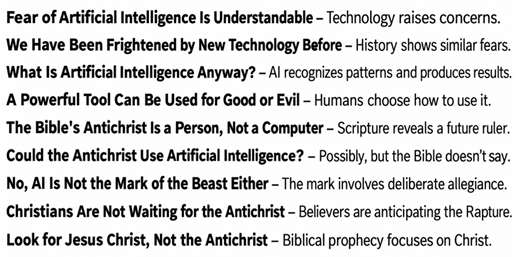
No, AI is not the Antichrist, but the Fears of New Technology are Real - Fear of Artificial Intelligence Is Understandable – Technology raises concerns. - We Have Been Frightened by New Technology Before – History shows similar fears. - What Is Artificial Intelligence Anyway? – AI recognizes patterns and produces results. - A Powerful Tool Can Be Used for Good or Evil – Humans choose how to use it. - The Bible's Antichrist Is a Person, Not a Computer – Scripture reveals a future ruler. - Could the Antichrist Use Artificial Intelligence? – Possibly, but the Bible doesn’t say. - No, AI Is Not the Mark of the Beast Either – The mark involves deliberate allegiance. - Christians Are Not Waiting for the Antichrist – Believers are anticipating the Rapture. - Look for Jesus Christ, Not the Antichrist – Biblical prophecy focuses on Christ.
Artificial intelligence is powerful, but it is not the Antichrist. Scripture describes a future human ruler who opposes Christ, demands worship, and is destroyed by Jesus. Christians should use AI wisely, reject fear, and keep prophetic hope centered on Christ. Continue ReadingNo, AI is not the Antichrist, but the Fears of New Technology are Real→

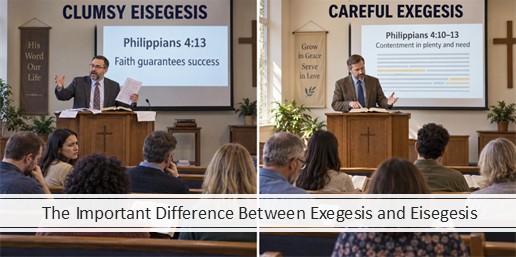
The Important Difference Between Exegesis and Eisegesis

The difference between clumsy eisegesis to accidently teach false doctrine and careful exegesis to accurately give the sense of scripture.

Six part study of important difference between exegesis and eisegesis, including their definitions, Greek origins, and practical examples. Learn how context guides biblical interpretation, why meaning must precede application, and how careful Scripture study protects sound doctrine and encourages faithful Christian obedience. Continue ReadingThe Important Difference Between Exegesis and Eisegesis→

Reassuring Answers to 10 Common Misconceptions about Heaven

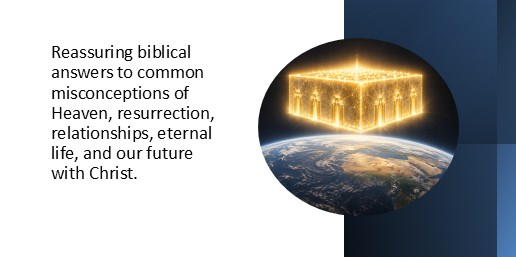
These reassuring answers to 10 common misconceptions of Heaven examine what Scripture teaches about salvation, resurrection, relationships, worship, eternal life, and our future with Jesus Christ in the New Heaven and New Earth.

What will Heaven really be like? These reassuring answers to 10 common misconceptions of Heaven examine what Scripture teaches about salvation, resurrection, relationships, worship, eternal life, and our future with Jesus Christ in the New Heaven and New Earth. Continue ReadingReassuring Answers to 10 Common Misconceptions about Heaven→

Denominate, Denomination, Denominationalism, and the Myth of Non-Denominationalism

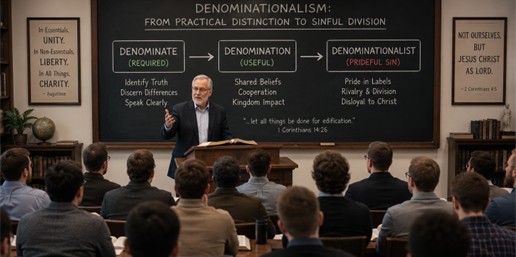
The myth of non-denominationalism hides an important truth: every church has doctrine, history, leadership, traditions, and boundaries. Learn when practical distinctions are biblical, when denominations are useful, and when denominationalism becomes sinful division.

The myth of non-denominationalism hides an important truth: every church has doctrine, history, leadership, traditions, and boundaries. Learn when practical distinctions are biblical, when denominations are useful, and when denominationalism becomes sinful division. Continue ReadingDenominate, Denomination, Denominationalism, and the Myth of Non-Denominationalism→

Denominate, the Practical Need to Identify and Distinguish

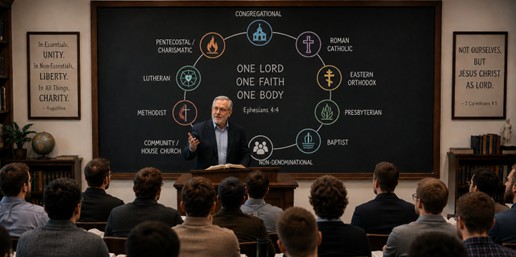
A denomination unites churches through shared doctrine, history, leadership, and ministry. Such cooperation can strengthen missions, training, and accountability, but it becomes dangerous when institutional authority competes with Scripture, conscience, or the lordship of Jesus Christ.

Every church must identify what it believes. To denominate means to name and distinguish doctrine, leadership, and practice. Biblical clarity requires honest distinctions, but every label must remain humble, truthful, and subordinate to Scripture. Continue ReadingDenominate, the Practical Need to Identify and Distinguish→