The Christian life must be anchored in the finished work of Jesus Christ. If we drift from that anchor, we become vulnerable to two dangerous errors. One error says, “Christ is not enough, so you must add your works to be saved.” The other error says, “Faith is not necessary, so everyone receives salvation whether they believe or not.” Both errors dishonor Christ, distort the gospel, and leave the soul without true peace.
The Bible gives us a better foundation. Salvation flows from the grace of God, is received through faith, and results in peace with God. Christ died for the undeserving. God forgives the guilty who believe. The justified believer is reconciled to God.
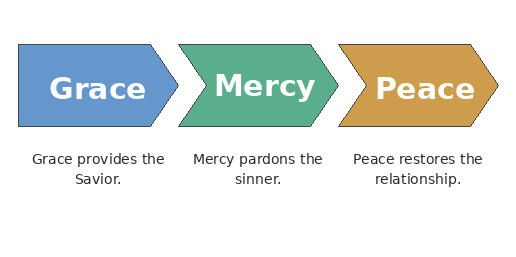
That is the biblical flow:
- Grace: Christ died for the undeserving.
- Mercy: God forgives the guilty who believe.
- Peace: The justified believer is reconciled to God.
This simple truth can become an anchor for the soul. It protects the believer from the fear that he must earn salvation, and it protects the unbeliever from the deception that he can reject Christ and still be saved.
Grace: Christ Died for the Undeserving
Grace is receiving the good we do not deserve. In salvation, grace is God’s undeserved favor shown to sinners through Jesus Christ. We did not deserve forgiveness. We did not deserve righteousness. We did not deserve adoption into God’s family. We deserved judgment, but God gave His Son.
This verse brings us to the heart of grace. Jesus Christ “knew no sin.” He was perfectly righteous, perfectly obedient, and completely without guilt. Yet on the cross, God treated Him as the sin-bearer for us. He did not become sinful in His nature, but He bore the legal guilt and judgment of our sin as our substitute.
The result is breathtaking. The believer is made “the righteousness of God in him.” Our sin was counted to Christ. His righteousness is counted to us. This is not a trade we earned. It is not a reward for religious effort. It is grace.
Romans 5:8 says, “But God commendeth his love toward us, in that, while we were yet sinners, Christ died for us.” Christ did not wait for us to become worthy. He died for the ungodly, the helpless, the guilty, and the undeserving. That is why salvation can never be based on human merit.
Grace destroys boasting. If salvation is by grace, then no sinner can stand before God and say, “I earned this.” No one will enter heaven praising his baptism, church attendance, giving, moral improvement, religious rituals, or good intentions. The redeemed will praise the Lamb who was slain.
This guards us from the first hurtful false doctrine of the enemy, the lie that works are required for salvation. Good works matter, but they are the fruit of salvation, not the root of salvation. Works are evidence of living faith, but they are never the payment for eternal life. Christ paid that price in full.
Mercy: God Forgives the Guilty Who Believe
Mercy is not receiving the judgment we do deserve. Grace emphasizes the undeserved gift God gives. Mercy emphasizes the deserved judgment God withholds. The sinner needs both. We need grace because we have no righteousness of our own. We need mercy because we are guilty before a holy God.
God is “rich in mercy.” He does not forgive because sin is small. He forgives because Christ’s sacrifice is sufficient. Mercy does not mean God overlooks sin, excuses sin, or pretends sin does not matter. Mercy means God has dealt with sin righteously through the death of Christ, so He can pardon the guilty sinner who believes.
Titus 3:5 says, “Not by works of righteousness which we have done, but according to his mercy he saved us.” This is a humbling truth. God did not save us because our works impressed Him. He saved us according to His mercy.
Yet Scripture is also clear that this mercy is received through faith. The gospel is genuinely offered to all, but it must be personally received. Christ’s death is sufficient for all, but the benefits of His saving work are applied to those who believe.
The word “whosoever” opens the door wide. The word “believeth” tells us how one enters. God’s mercy is not limited to a special class of people, a favored nation, a religious elite, or those with a clean past. Whoever believes in the Son has everlasting life. But the same passage also warns that the one who does not believe remains under condemnation.
This guards us from the second hurtful false doctrine of the enemy, the lie that belief is not required. That error may sound compassionate, but it contradicts Christ. The Bible does not teach that every person is automatically forgiven whether he believes or not. It does not teach that Christ-rejecters receive eternal life apart from faith. It teaches that salvation is offered to all and received by faith.
- Whosoever will may come – Universal gospel invitation: God’s grace offers salvation to “whosoever will,” His mercy forgives all who believe, and justification brings peace with God, while rejecting both works-based salvation and unbelief without consequence.
Faith is not a meritorious work. Faith does not earn salvation. Faith is the empty hand receiving what grace has provided. Romans 4:5 says God justifies the one who “believeth on him that justifieth the ungodly.” The believer does not bring wages to God. He receives mercy from God.
So we must hold both truths together. We must reject works-salvation because salvation is by grace. We must also reject unbelieving universalism because salvation is through faith in Christ.
Peace: The Justified Believer Is Reconciled to God
Peace is the result of grace and mercy received through faith. Once Christ has died for the undeserving, and once God has forgiven the guilty believer, the believer is no longer under condemnation. He has peace with God.
This peace is more than a peaceful feeling. It is first a settled relationship. Before salvation, the sinner stands guilty before God. Sin separates man from God. The unbeliever may feel religious, moral, sincere, or spiritual, but apart from Christ he does not have peace with God.
Justification changes that standing. To be justified means God declares the believing sinner righteous on the basis of Christ’s finished work. The believer is not justified because he has become sinlessly perfect in daily life. He is justified because Christ’s righteousness has been credited to him.
Because of justification, the war is over. The guilt is removed. The condemnation is gone. The believer now stands in grace.
This is why peace becomes an anchor for the soul. The believer’s peace does not rest on the strength of his emotions, the consistency of his performance, or the perfection of his obedience. His peace rests on Jesus Christ. Christ died. Christ rose again. Christ intercedes. Christ saves.
When the enemy accuses the believer and says, “You have not done enough,” the answer is, “Christ has done enough.” When the enemy whispers, “Your works must complete your salvation,” the answer is, “It is finished” (John 19:30). When the enemy says, “Faith does not matter because everyone is safe,” the answer is, “Believe on the Lord Jesus Christ, and thou shalt be saved” (Acts 16:31).
Biblical peace is not careless presumption. It is confident reconciliation with God through Christ.
- The gospel of rest – Gospel rest in Christ: God’s grace provides the Savior who finished the work, His mercy lifts the burden from guilty believers, and justification brings peace with God apart from works-based salvation.
- Sin Has Consequences, But Repentance Brings Mercy (With 38 Examples from the Bible) – Repentance and mercy: God’s grace does not excuse sin, but Christ provides mercy for guilty believers who repent, restoring peace with God while warning that unbelief and unrepentance leave sinners under judgment.
The Anchor Against Works-Salvation
Works-salvation is spiritually cruel because it gives sinners an impossible burden. It tells the guilty soul to climb up to God by effort, ritual, law-keeping, moral reform, religious performance, or personal sacrifice. But Scripture says plainly that salvation is not by works.
If works are required as the basis of salvation, then grace is no longer grace. Romans 11:6 says, “And if by grace, then is it no more of works: otherwise grace is no more grace.” Grace and works cannot share the throne in justification. Either Christ saves completely, or man must save himself. The Bible gives no hope to the second option.
This does not make obedience unimportant. True grace teaches holiness. Titus 2:11-12 says the grace of God that brings salvation also teaches us to deny ungodliness and worldly lusts. But holiness is the result of salvation, not the purchase price of salvation. Good works follow the new birth, but they do not cause it.
The soul anchored in grace can rest. The believer obeys from gratitude, not terror. He serves as a son, not as a slave trying to earn adoption. He pursues holiness because he belongs to Christ, not because he is trying to bribe God into saving him.
The Anchor Against Unbelief Without Consequence
The opposite error is also deadly. Some people reject works-salvation but then drift into another falsehood, the idea that faith is unnecessary. They may say, “God is gracious, so everyone is forgiven.” Or, “Christ died for the world, so everyone is automatically saved.” Or, “God is loving, so unbelief will not matter in the end.”
But Jesus did not teach that. The apostles did not teach that. The Bible repeatedly calls sinners to repent and believe the gospel.
That verse is simple and solemn. Eternal life is found in the Son. To have the Son is to have life. To reject the Son is to remain without life.
The gospel is not, “Do nothing because belief does not matter.” The gospel is, “Christ has done everything necessary for your salvation, therefore believe in Him.” Faith is the God-appointed response to the finished work of Christ. It is not an optional extra. It is not a human achievement. It is the personal receiving of Christ Himself.
John 1:12 says, “But as many as received him, to them gave he power to become the sons of God, even to them that believe on his name.” Receiving Christ and believing on His name belong together. The one who believes receives. The one who receives becomes a child of God.
The soul anchored in mercy will not presume upon God while rejecting Christ. Mercy is offered freely, but it is not applied to the unbelieving Christ-rejecter. God forgives the guilty who believe.
- Antinomianism falsely abuses lawless grace – Antinomianism and false grace: true grace provides salvation in Christ, mercy pardons guilty believers, and peace restores relationship with God, but biblical grace never excuses lawlessness, unbelief, or disobedience.
- Jesus Denounces Moralism (The Most Respectable False Gospel) – Moralism versus gospel grace: Jesus rejects self-righteous works-salvation, showing that grace provides Christ, mercy justifies the repentant believer, and peace with God comes through faith, not religious performance or personal goodness.
Grace, Mercy, and Peace Together
These three truths must remain together. If we separate them, we distort the gospel.
- Grace tells us salvation is undeserved.
- Mercy tells us judgment is deserved but can be withheld.
- Peace tells us reconciliation is possible through justification by faith.
Grace looks to the cross and says, “Christ died for the undeserving.” Mercy looks to the guilty sinner and says, “God forgives those who believe.” Peace looks to the justified believer and says, “You are reconciled to God through Jesus Christ.”
This is why the phrase “Grace, mercy, and peace” is so rich. It is not merely a pleasant religious greeting. It summarizes the believer’s entire standing before God. We are saved by grace. We are spared by mercy. We are settled in peace.
- Faith and Works: Understanding Their Biblical Relationship – Faith and works relationship: grace saves through faith apart from works, mercy pardons guilty believers, peace rests in justification, and true saving faith bears good works as fruit, not as the root of salvation.
A Simple Gospel Summary
Here is the concept in one clear paragraph:
God’s grace provided salvation through the death and resurrection of Jesus Christ for undeserving sinners. God’s mercy forgives the guilty sinner who believes in Christ, not because of works, but because Christ has paid the penalty of sin. The result is peace with God, because the believer has been justified by faith and reconciled to God through the Lord Jesus Christ.
Or even shorter:
Grace provides the Savior. Mercy pardons the sinner who believes. Peace reconciles the justified believer to God.
Conclusion: Rest Your Soul in Christ
The enemy wants souls confused. He wants the tender conscience crushed under works-salvation, always wondering, “Have I done enough?” He also wants the careless heart deceived by unbelieving presumption, saying, “Faith does not matter.” Both errors lead away from the true gospel.
The Word of God gives us a firm anchor. Christ died for the undeserving. God forgives the guilty who believe. The justified believer is reconciled to God.
So do not add works to the finished work of Christ. Do not subtract faith from the biblical call of the gospel. Come to Christ by faith, rest in His grace, receive God’s mercy, and stand in the peace that only justification can give.
Digging Deeper
- Why Grace Changes Everything by Chuck Smith – The difference grace will make for you…. Grace.. It’s a word we all love to hear. But do we all know what it means? Without it, our lives are dry and dusty. But when grace comes, it transforms our lives into something rich and beautiful. With remarkable insight gleaned from his own life, Pastor Chuck Smith unfolds the mystery of grace and reveals the surprising truth: We can never grow in grace by our own efforts. True grace flows from the heart of the Father through the love of Jesus Christ. To know that God is for you, that He loves you, is the greatest source of security you will ever know. That is grace-and that is what makes life worth living.
- The Grace Awakening by Charles Swindoll – The Grace Awakening calls all Christians to wake up and reject living in legalistic, performance-oriented bondage. The God of the universe has given us an amazing, revolutionary gift of grace and freedom. This freedom and grace set us apart from every other “religion” on the face of the earth. In this best-selling classic, Charles Swindoll urges you not to miss living a grace-filled life. Freedom and joy—not lists and demands and duties—await all who believe in the Lord Jesus Christ.